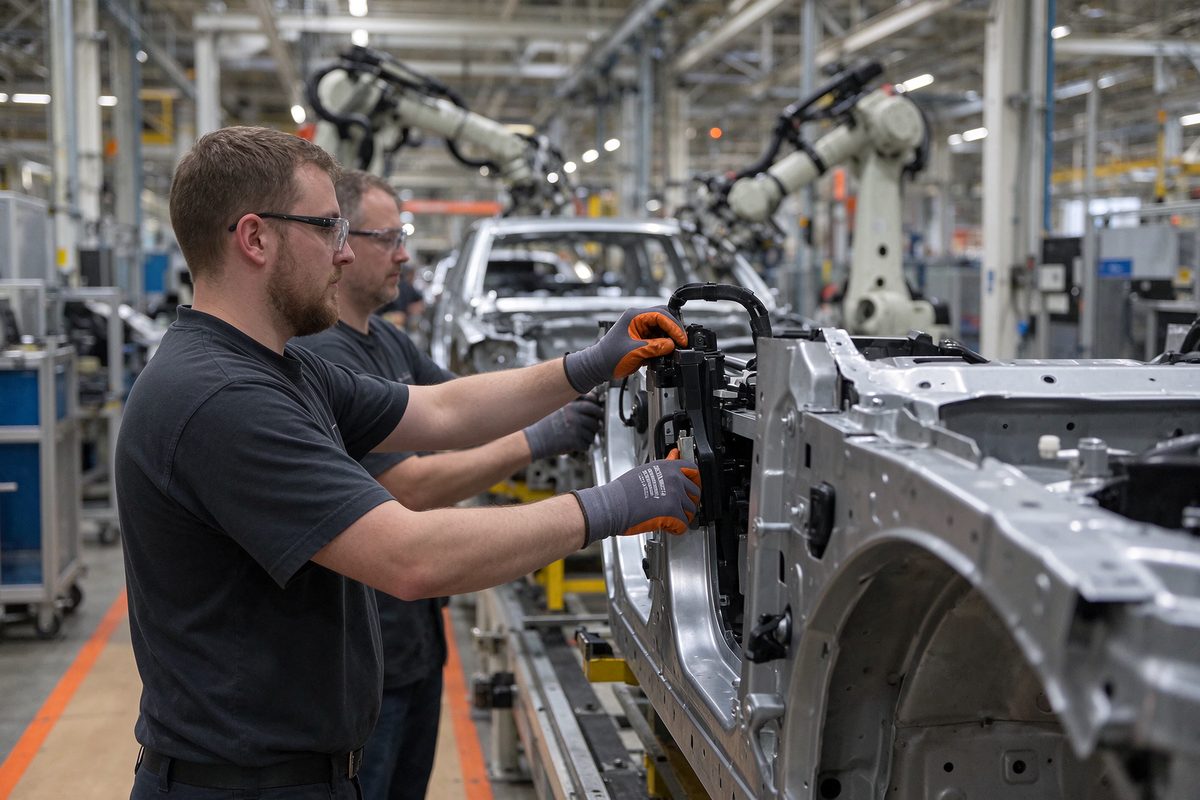
Work Gloves for Automotive Assembly
Explore grip and cut-protection options for vehicle assembly, maintenance, and parts handling.
Key workplace risks
- Sharp stamped panels and component edges
- Oily parts and assembly surfaces
- Repetitive handling on production lines
How we narrow the shortlist
- 1Hazard first: cut, abrasion, cold, heat — the standard that governs the task.
- 2Grip second: dry, oily or wet decides the coating, not the yarn.
- 3Dexterity third: gauge and coating thickness limit what operators can feel.
- 4Then the commercials: MOQ, packing format, test documents and lead time.
Recommended models for automotive
These are the models we quote most often for this environment. Each page shows a typical cut range, packing and MOQ so you can compare without a separate spec sheet.
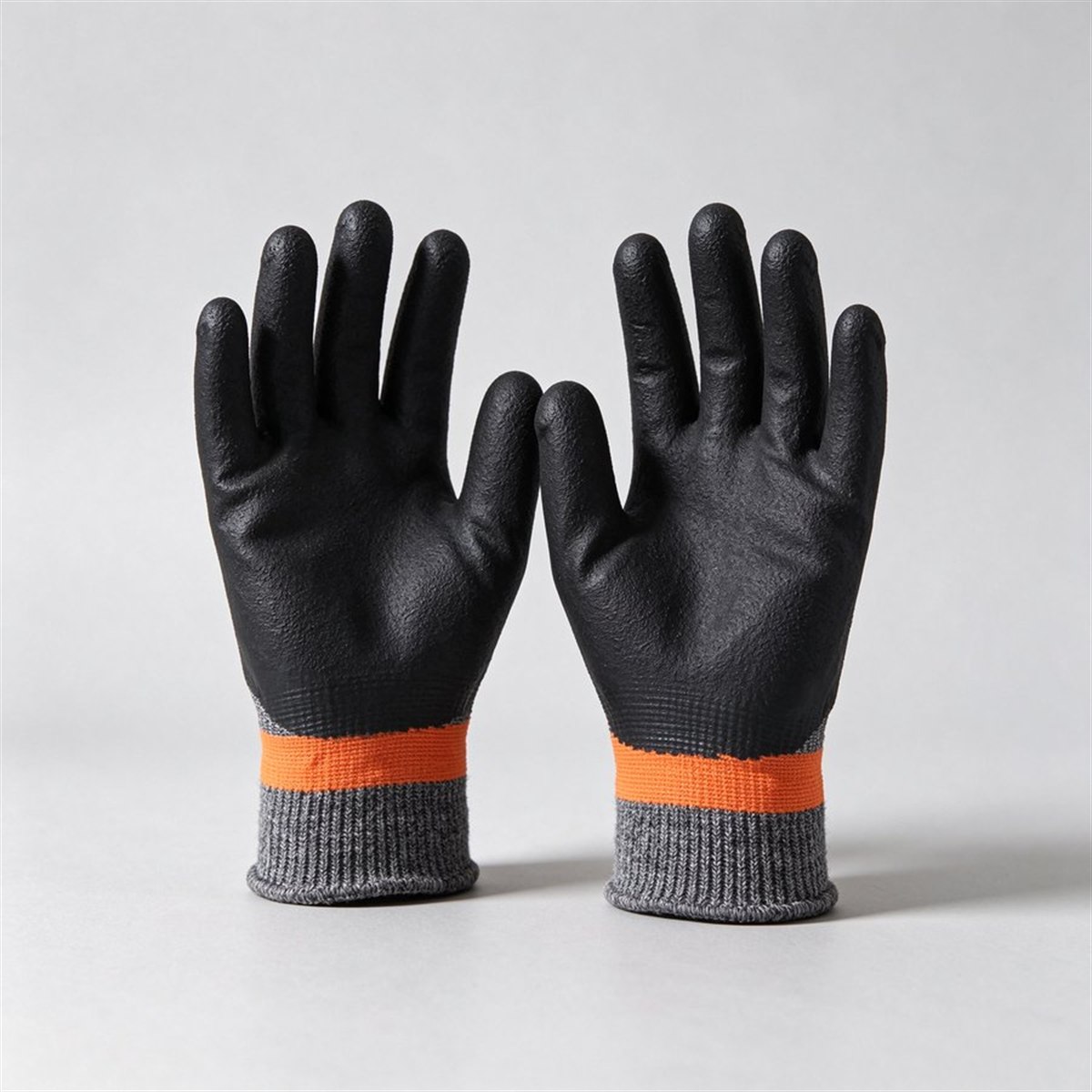
OilGrip Full-Coated Nitrile Glove
Cut level D–E (typical)
Nitrile MOQ: 500 pairs
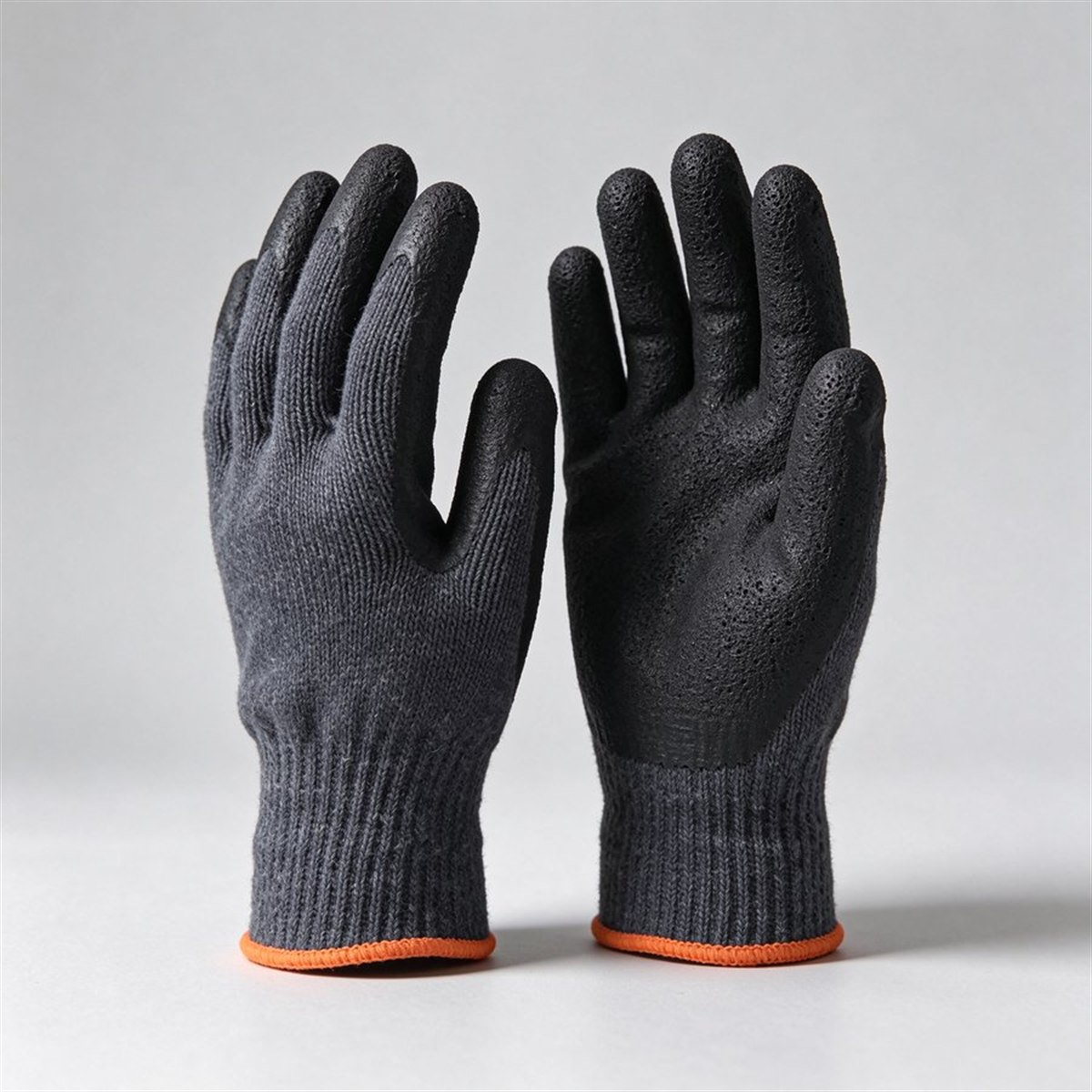
OilGrip Foam-Coated Nitrile Glove
Cut level C–D (typical)
Nitrile MOQ: 500 pairs
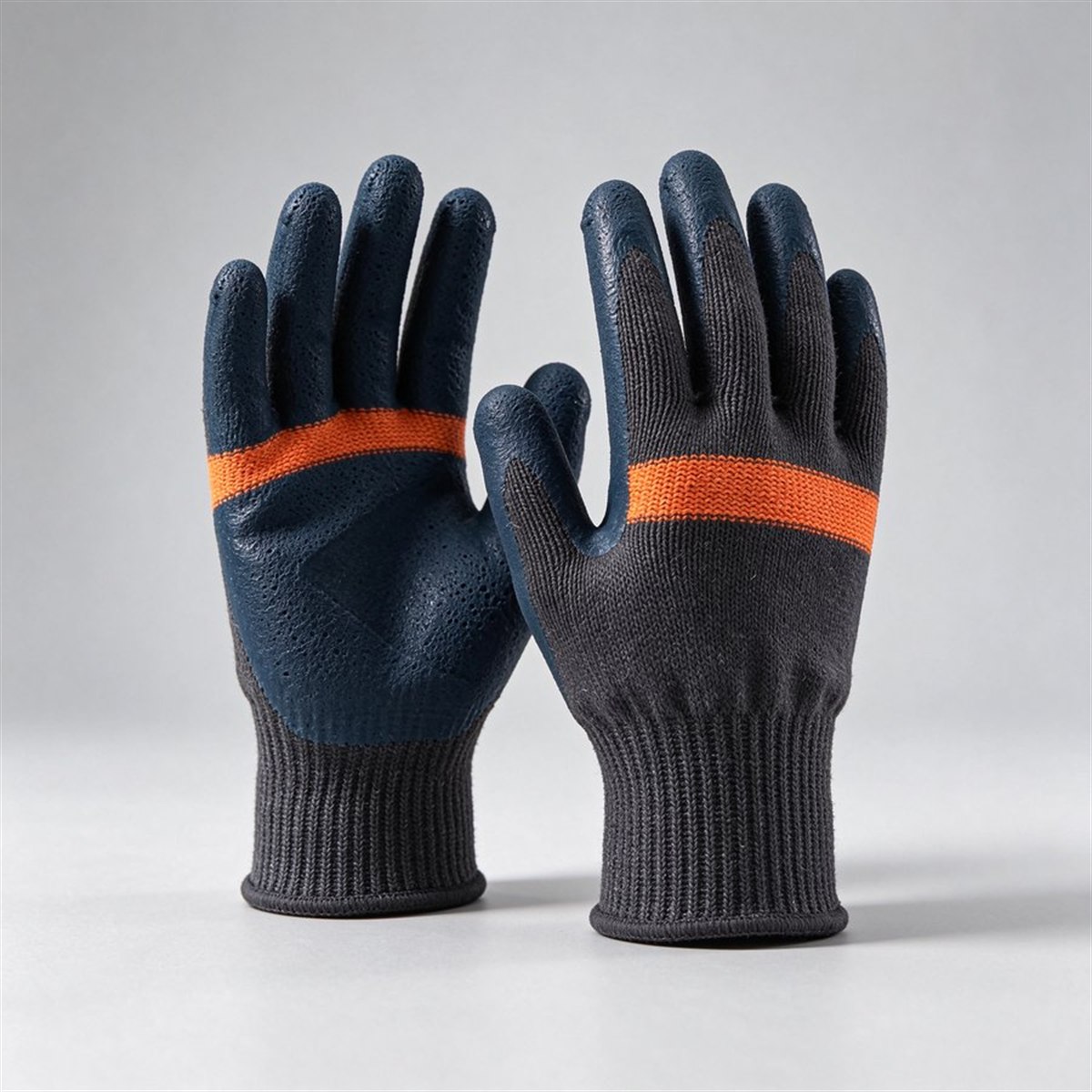
ArmorKnit High-Cut Knit Glove
Cut level E–F (typical)
Nitrile MOQ: 500 pairs
Comparing across environments? Browse the full product catalogue or read how cut levels are rated.
What buyers in this sector ask us
- Which proof do we need for an audit?
- The signed EN 388 or EN 511 report naming the model and the batch, plus the traceability number printed on the product page and on the carton label. See certification records.
- Can we trial a mixed size run?
- Yes. A trial order can mix sizes in one carton; the ratio is printed on the outside so your warehouse can split it without opening every box.
- What if the task changes seasonally?
- Many buyers run a summer nitrile model and a winter EN 511 model on the same PO. Tell us the split and we plan both batches together to keep one delivery date.